


VAT issues Farmers Should Look Out For When Exploring Diversification

With increasing pressure on traditional agricultural income streams, many farms are turning to diversification not just as a growth strategy, but as a means of survival. Whether it’s adding holiday accommodation, dog walking fields, cafes or activity-based tourism, broadening business activity can bring in essential revenue.
However, alongside the opportunities come complexities particularly when it comes to VAT. Understanding the rules and how they apply to different income streams is crucial.
VAT Treatment of Income Sources in Farming Businesses

Lettings and Land Use: Know the Rules
Rental income from land and buildings often brings complications. While residential rent is VAT exempt, income from storage, car parking, or furnished holiday lettings must be standard-rated and subject to VAT. Income from events such as a wedding might also be standard rated if part of a larger supply. A landowner can opt to tax commercial land and buildings (but not residential) which means voluntarily charging VAT to improve recovery of VAT on associated expenses like repairs or construction. Always take advice before opting a property as the election is binding for 20 years. Grazing is zero rated (when structured correctly) because it is the grass you are selling as animal feed, you are not actually giving a right over your land as you would be with a tenancy agreement.
The Trap of Partial Exemption
When a business has both standard rated and exempt income, partial exemption rules apply. This affects how much input VAT can be reclaimed, and the calculations can quickly become complex. For example, if a farm continues zero-rated activities like selling livestock but also begins letting out residential property (exempt income), some of the input tax may not be recoverable subject to a de minimis threshold that allows full VAT recovery if exempt input VAT is minimal.
Is Separating Activities an Option?
Where new ventures cater to consumers (like holidaymakers) who can’t reclaim VAT, charging VAT can make prices less competitive. Some businesses consider running new activities under a separate, non-VAT-registered entity to avoid this. While this might work in limited circumstances, it means no VAT can be reclaimed on setup or operating costs for the new venture. The potential VAT savings need to be weighed carefully against the inability to recover input tax.
Be Careful with Separate Entities
Creating a second business entity must be approached cautiously. HMRC can challenge these arrangements if they believe the business has been split artificially to stay below the VAT registration threshold, which is currently £90,000. Each entity must operate independently, with arm’s-length transactions between them, separate financial records, and distinct business purposes.
A possible reduction to the VAT registration threshold is rumoured to be under consideration, which might make this kind of planning less effective in future. We can only wait and see if this happens.
In Summary
For many farms, diversification isn’t just about expansion, it’s more about survival. New revenue streams can make the business more resilient, but they often introduce added complexity, especially where VAT is concerned. Other taxes, such as Inheritance Tax, can also be affected but this article focuses just on the VAT aspects.
If you're exploring alternative uses for land or buildings, or planning a new venture alongside core farming operations, professional advice is essential. Structuring your activities correctly from the start can help you stay compliant, maximise VAT recovery on expenses and avoid unexpected tax issues down the line.
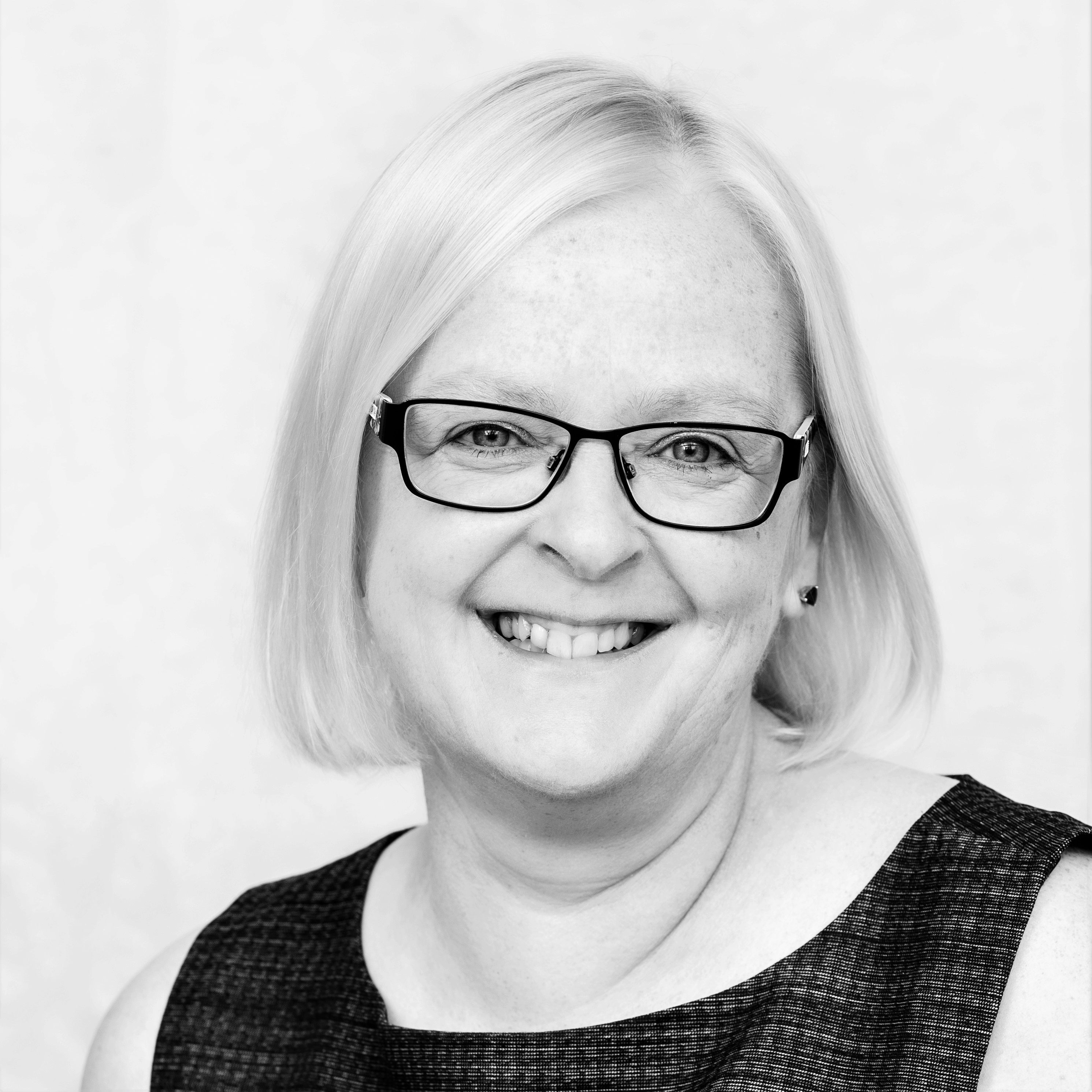
Written by: Heather Langtree


Comments